Vinyl PVC Carpet: The Complete Guide for Homes and Businesses
◆
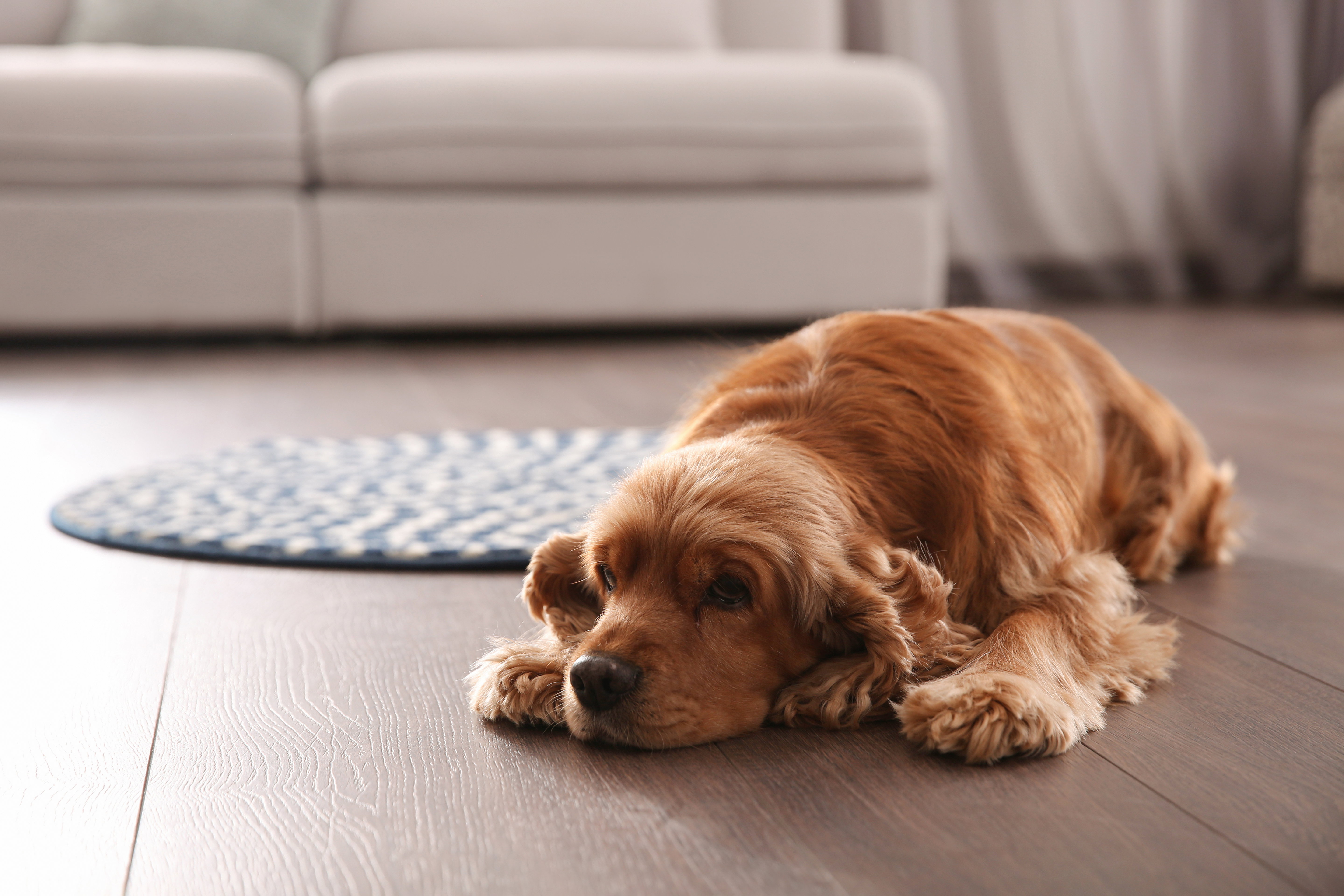
If you've been flooring shopping lately, you've probably run into the term "PVC carpet" or "vinyl carpet" and wondered how it's different from the fabric carpet you grew up with, or from regular vinyl plank flooring. It's a fair question — the category sits in an interesting middle ground, and understanding it can save you from a costly mismatch between what you need and what you buy.Here's a practical, no-fluff breakdown of what vinyl PVC carpet actually is, where it shines, where it falls short, and how to decide if it belongs in your next flooring project.
What Exactly Is Vinyl PVC Carpet?
PVC (polyvinyl chloride) carpet is a synthetic flooring product built to look and feel like traditional fabric carpet, but constructed almost entirely from vinyl. Instead of woven or tufted fibers sitting on a fabric backing, PVC carpet typically layers a printed or textured design film, a wear layer, and a dense PVC core — sometimes with a rigid or semi-rigid backing for stability.In plain terms: it's designed to give you the visual warmth of carpet with the practical toughness of vinyl.You'll usually find it in two forms:
- PVC carpet tiles – modular squares or planks, easy to install and replace piece by piece
- PVC carpet sheets/rolls – larger continuous sections, closer to how broadloom carpet is installed
How It's Different From Regular Vinyl Flooring
It's easy to lump this in with standard vinyl plank or vinyl sheet flooring, but there's a real distinction. Standard PVC flooring is generally engineered to mimic wood, stone, or tile — hard, smooth surfaces. PVC carpet flooring is engineered specifically to mimic the texture and appearance of fabric carpet. Manufacturing wise, it shares the same core layers other rigid-core vinyl products use: a protective UV top layer, a wear layer for abrasion resistance, a printed design layer, and a dense core layer underneath.
The Real Benefits
Durability under heavy traffic. PVC carpet is built to handle daily wear without flattening, fraying, or showing traffic patterns the way some fabric carpets do over time — a big reason it shows up in offices, retail spaces, and healthcare facilities.Moisture and stain resistance. Because it's vinyl-based rather than fiber-based, spills sit on the surface instead of soaking in. This makes it a much easier sell for kitchens, entryways, and commercial spaces than traditional carpet, which can trap moisture and odors.Low-maintenance cleaning. A sweep and a damp mop generally does the job. There's no need for the periodic deep-cleaning or steam extraction that fabric carpets require to stay fresh.Consistent appearance over time. It resists fading and generally holds its color and pattern better than dyed fabric fibers exposed to sunlight and foot traffic.Good acoustic and comfort performance. Compared to hard flooring like tile or hardwood, PVC carpet is noticeably softer underfoot and does a solid job dampening sound — a genuine advantage in busy offices or multi-story homes.Cost-effective over the long run. It's usually cheaper to install than natural fiber carpet, and if it's installed in tile format, damaged sections can be swapped out individually instead of replacing an entire room's worth of flooring.
The Trade-Offs Worth Knowing
It doesn't fully replicate fabric carpet's feel. It gets close, but if you're after the plush, sink-your-feet-in softness of a wool or high-pile carpet, PVC carpet will feel firmer and more synthetic by comparison.Off-gassing in poorly ventilated spaces. Like most PVC-based products, new installations can emit a noticeable smell for a period after installation. Ventilating the space for the first few days helps this dissipate.Not the most eco-friendly option on paper, though many manufacturers now offer recycled-content or recyclable PVC carpet lines if sustainability is a priority for your project.Subfloor prep matters. PVC carpet performs best over a smooth, well-prepared subfloor. Bumps, cracks, or old adhesive residue underneath will show through and can shorten the flooring's lifespan.
Where It Makes the Most Sense
- Offices and commercial interiors that need something quieter and softer than hard flooring but easier to maintain than fabric carpet
- Healthcare and hospitality settings, where hygiene and quick cleanup matter as much as appearance
- Retail spaces, where high foot traffic and frequent spills are a given
- Basements, playrooms, and high-traffic residential zones, where moisture resistance and easy cleaning outweigh the appeal of plush carpet
Cost and Lifespan Snapshot
Pricing varies by construction and quality, but as a general guide:
- PVC/vinyl carpet tiles typically install in a similar cost range to mid-grade commercial carpet tile — expect material plus labor to land somewhere in the low-to-mid single digits per square foot, with premium designs and commercial-grade backings pushing that higher.
- A well-installed, properly maintained PVC carpet floor can reasonably be expected to last over a decade, similar to standard PVC/vinyl flooring lifespans, provided the subfloor was properly prepped and the wear layer is decent quality.
As always, get an itemized quote from your installer that separates material, labor, subfloor prep, and removal of old flooring — that's where surprise costs tend to hide.
Is It Right for You?
If you want the visual comfort of carpet without the maintenance headaches of fabric fibers, PVC carpet is worth serious consideration — especially for commercial spaces or high-traffic residential areas. If plush softness and natural material feel are non-negotiable for you, a wool or high-pile fiber carpet will still serve you better.The best approach is to match the flooring to the room: PVC carpet in the areas that need to work hard and clean up fast, and softer fiber options where comfort is the priority.